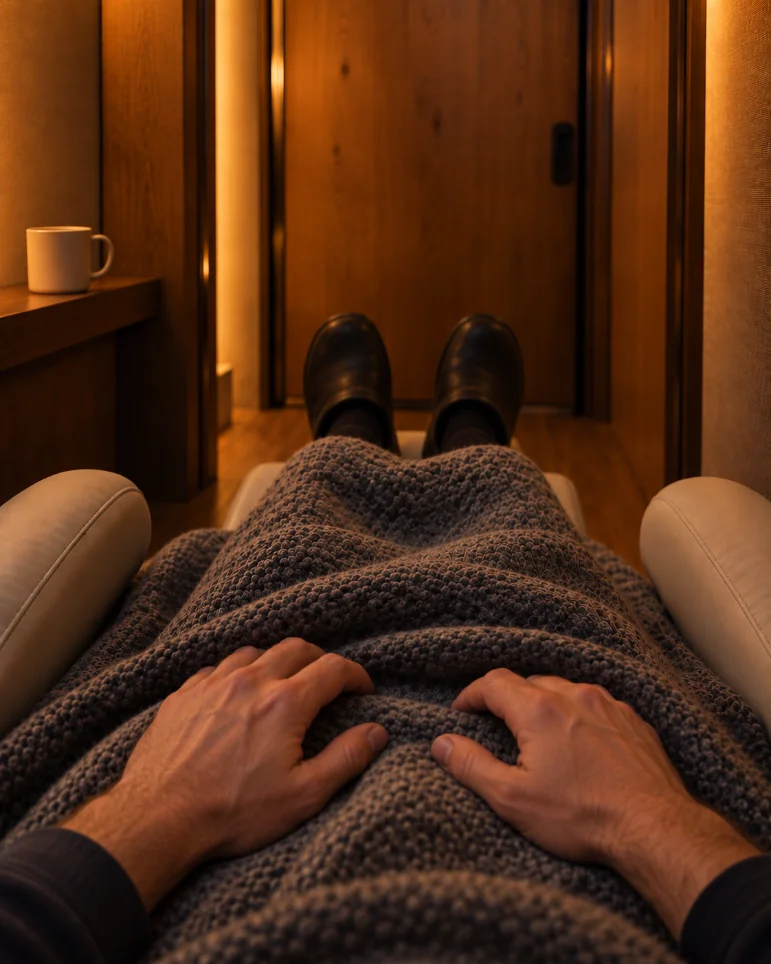
Give your people 15 minutes when nobody needs a thing from them.
A nervous system reset inside two private booths in a van parked at your door. They sit back while pressure, sound, light, and quiet help their bodies shift out of go mode. Two of us are there to take care of them.
Book a 15-minute call
We come get them. We take care of them. They walk back as themselves.
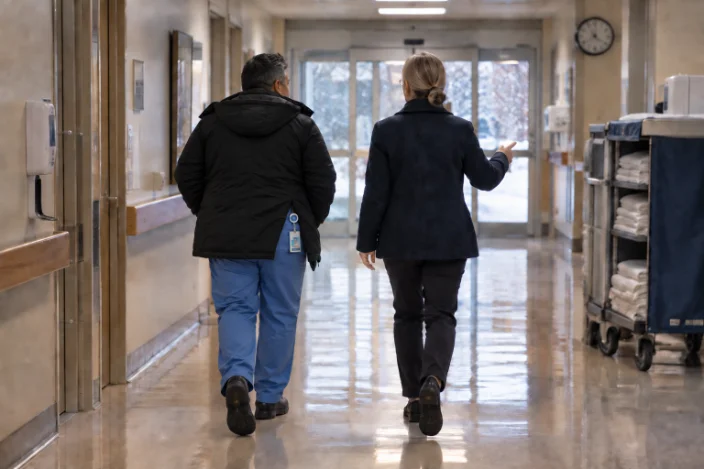
1. Step out. We come to the nurses' station and walk them to the van.
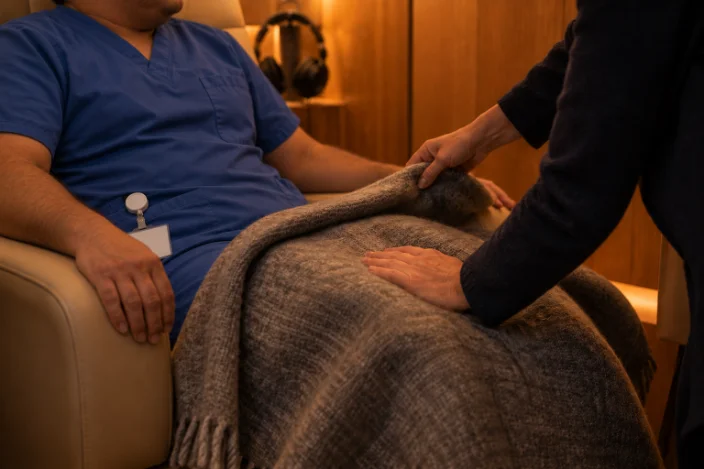
2. Sit back. The host asks what they need right now, sets up the booth, and for 15 minutes they don't have to do a thing.
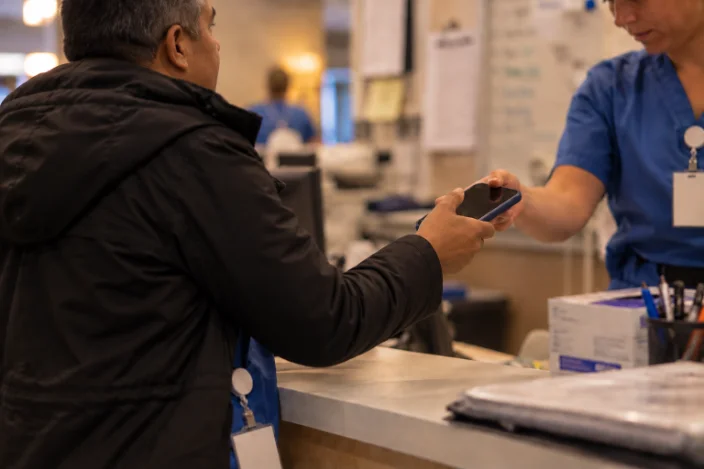
3. Walk back. Twenty minutes door to door, and they're back at the station.
What do you need right now?
It works on the body and the nervous system. Even the one who rolls their eyes at everything feels it.
Long enough to come down. Too short to fall asleep. All they do is sit back.
Twelve hours on. Stepping off the floor doesn't switch the body off.
Pressure, sound, light, and quiet help the body shift gears. It's effortless.
NFL and NBA players, the military, and firefighters use the same pressure technology.
Nothing for your staff to learn. Nothing for you to teach. We come to you and take care of them.
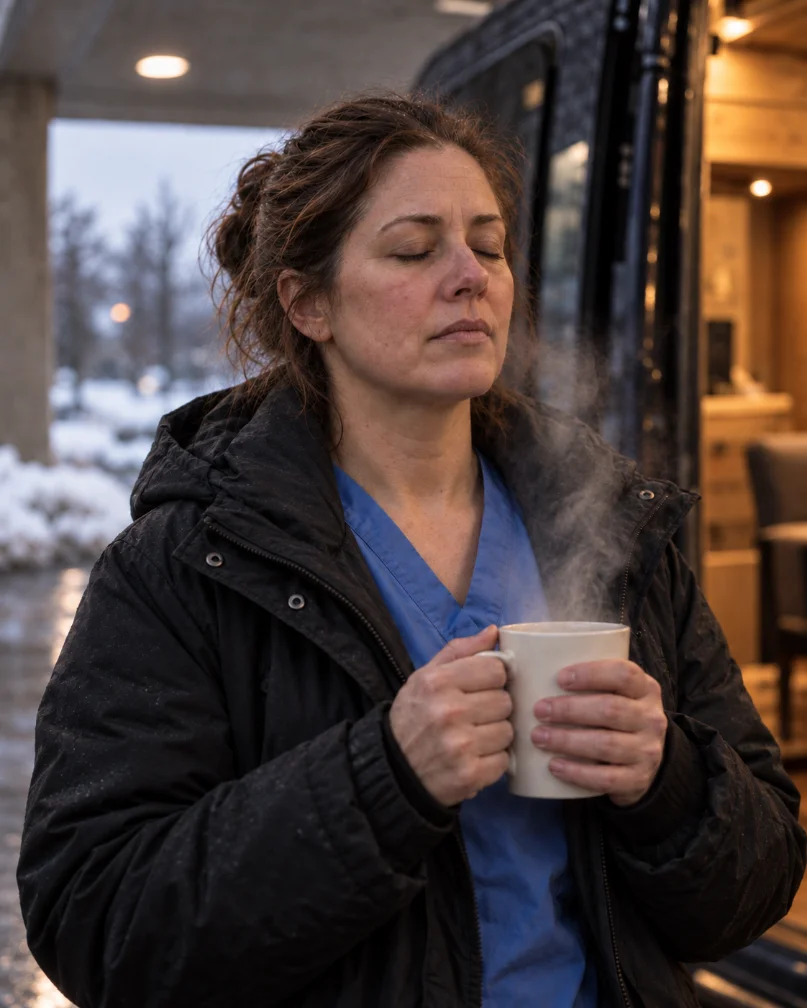
It fits a shift, even a bad one. Your charge nurse says when.
Same as stepping off the floor for anything else. Your unit covers the patients and says when someone can go. We handle everything else, and they're back in twenty.
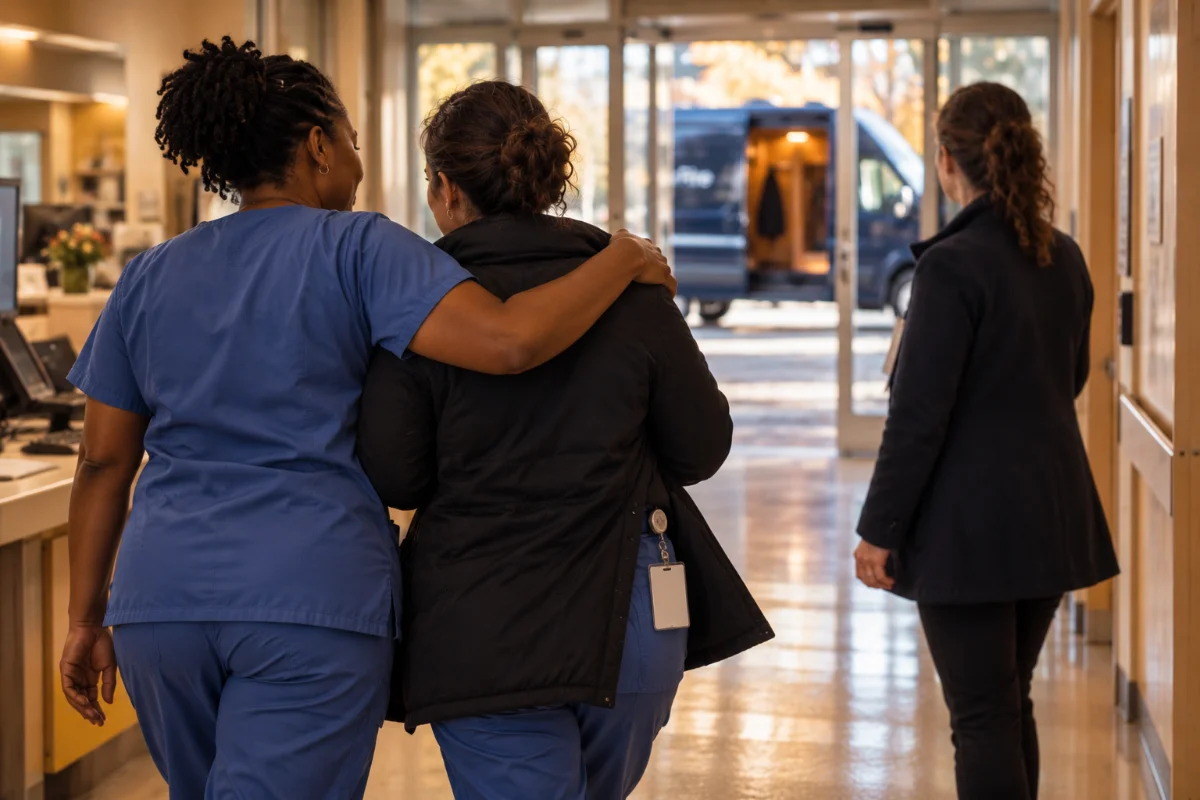
We come mid-shift. Days or nights, when they need it most.
The van parks at your nearest covered door, usually where the bloodmobile goes. Heated. Ten steps to your private booth.
Two private booths, 20 minutes each. Up to 15 people in three hours.
One of us, badged, meets them at the station. The other welcomes them into the van.
Anyone who wants a turn puts their name on a list the day before. Charge decides when each one goes.
If someone can't go, the next name goes. If the floor gets slammed, we wait, and we'll stay up to 30 minutes past if it helps.
All we need is a place to park, an outlet, and a list.
Everything else shows up in the van, with two of us to run it. Afterward, we ask what worked.
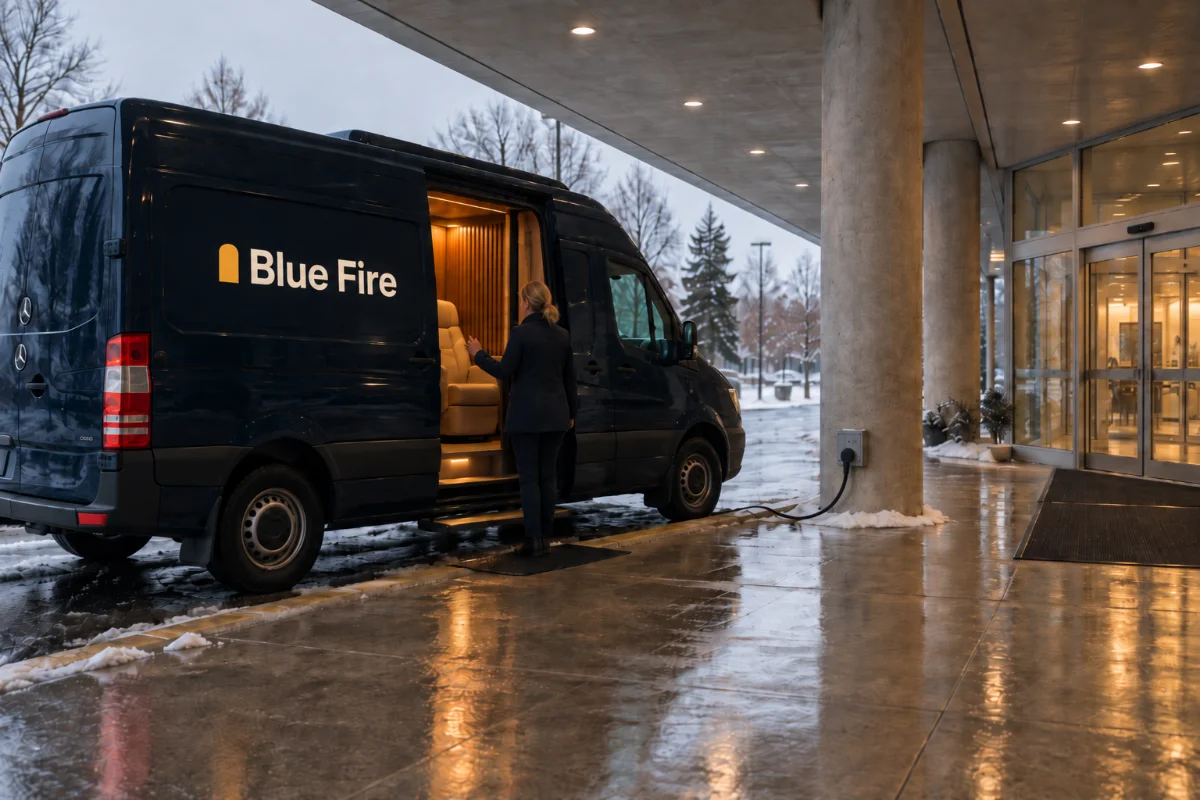
Why free? These first six visits help us get the parking and the timing right on a real shift before we open more dates.
Everyone on the unit. Nurses, techs, the clerk. Anyone who puts their name down.
No obligation after, and nothing to buy.
Six units go first. You'd be one of them.
No names. No notes. No report.
Your unit keeps the list. We don't keep names, and nothing about anyone's 15 minutes leaves the van. What happens in there is theirs. If someone needs a minute after, the host stays with them.
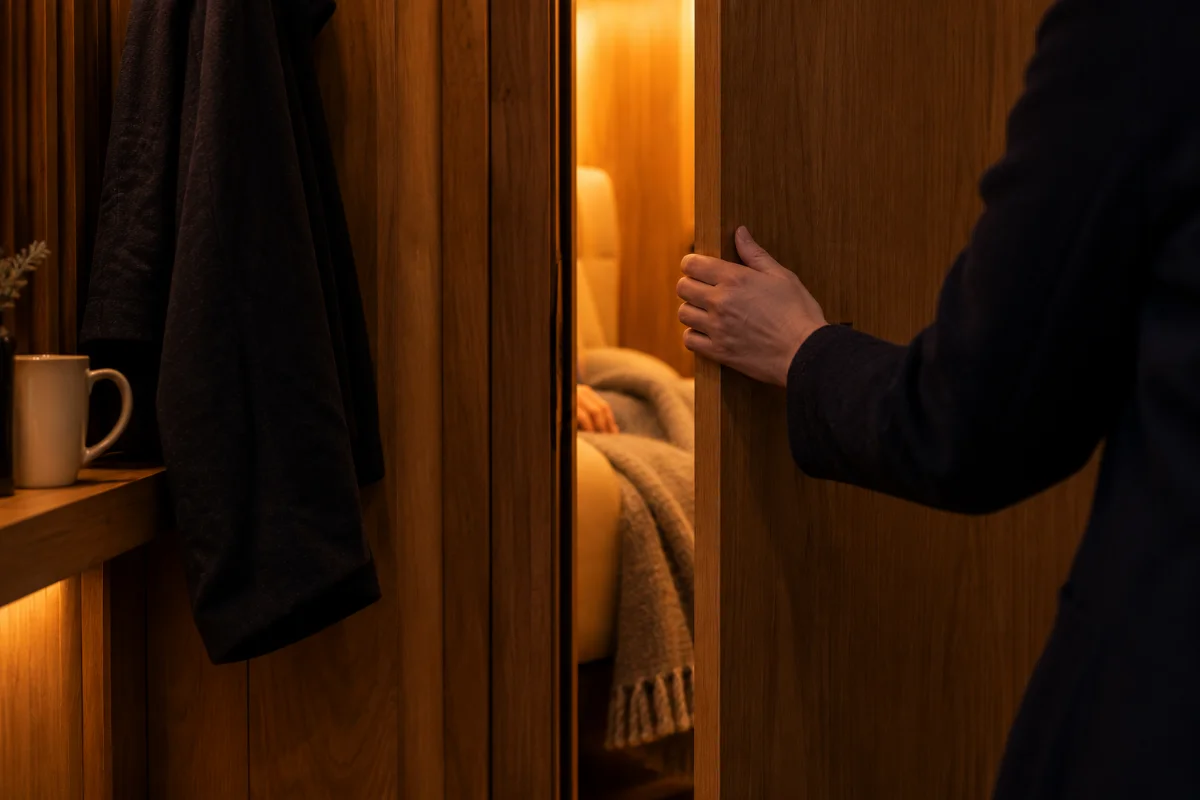
No cameras, no logins, no accounts. Nothing in the booth is tied to a name.
Each booth has its own door. Nobody sees in, and you don't hear the one next door.
Two quick yes-or-no safety questions before anyone sits down. Nothing gets written down.
We wipe down the chair and put fresh headset covers on between every person.
On the way out, they can answer one optional question: would you do this again? We share the totals. Never names.
I'm a psychologist with firefighter and EMT experience. I built this for the people who take care of everyone else.
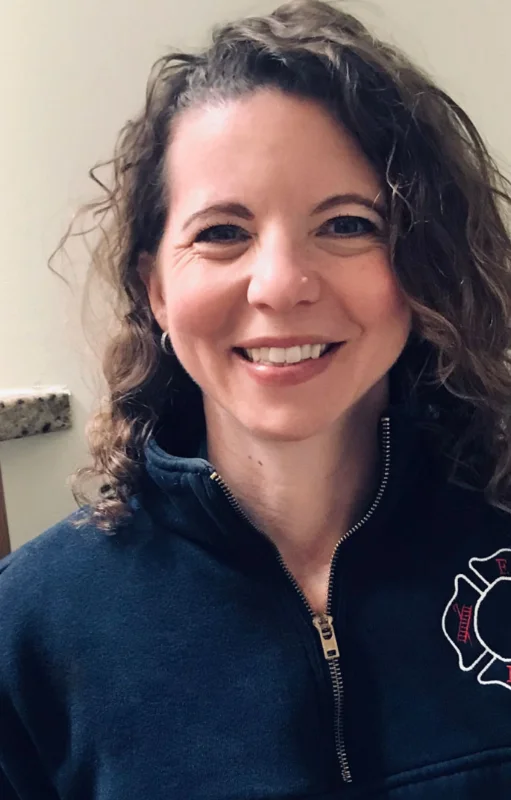
I've worked in health care, and I've sat with thousands of first responders, some of them in conflict zones overseas. Every time, I thought the same thing. People who take care of others put themselves last. I wanted something that comes to people and gives them a place to stop and recover before the wear and tear starts showing up somewhere else. It isn't therapy. If someone needs to talk, I know where to send them. This is a body reset. I built Blue Fire because I need it too.
Twenty-five years with firefighters, veterans, EMS, dispatchers, nurses, and techs.
I've held a hose and run calls. I've also spent 25 years listening to what this work does to people.
I live in Minneapolis with my two boys, and I still make time to dance.
You're human. You're allowed to stop for 15 minutes.
Your people get three hours, day or night. Let's pick when.
No pitch. Fifteen minutes. I'll ask about your unit and when it could work, I'll answer any questions, and we'll put it on the calendar.
Book a 15-minute call